Teens Using 12 Skincare Products? Watch Out for Skin Damage
Henk Vermeer ·
Listen to this article~5 min
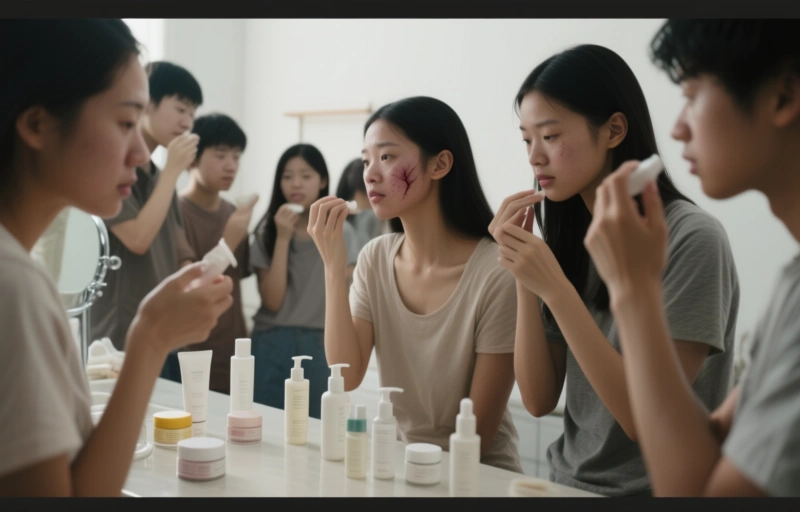
Teens are using up to 12 skincare products daily, causing skin damage like rashes and chemical burns. Here's what face care professionals need to know to help young clients simplify their routines and heal their skin.
Have you noticed more young clients coming in with irritated, angry skin? It's not just a coincidence. A recent trend has teens—especially girls—piling on skincare products like never before. Some are using up to 12 different products in a single routine. And honestly? Their skin is paying the price.
We're seeing a surge in skin complaints among young people. And it's not just pimples. It's rashes, contact dermatitis, and even chemical burns. As professionals in the face care industry, we need to understand what's happening and how to help.
### The Problem: Too Much of a Good Thing
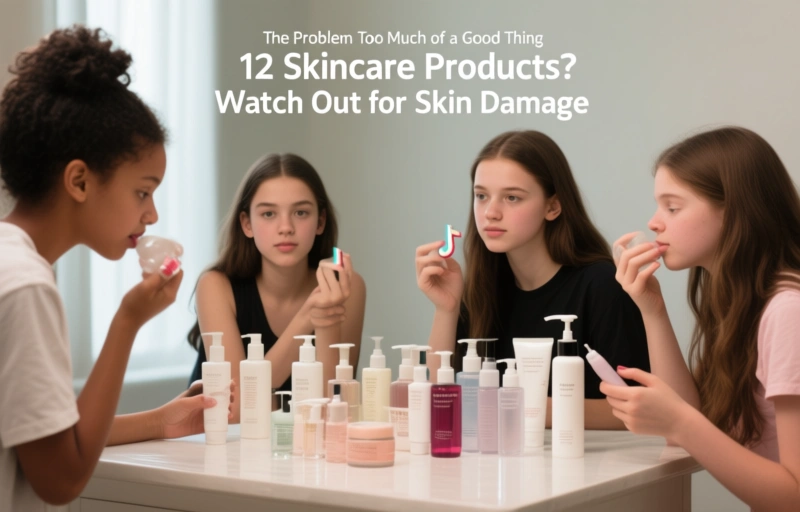
The core issue is overconsumption. Youngsters are watching TikTok and YouTube influencers who promote elaborate 10-step routines. They buy cleansers, toners, serums, moisturizers, eye creams, face masks, exfoliants, and spot treatments. And they often use them all at once.
Here's the thing: many of these products contain active ingredients like retinol, vitamin C, alpha hydroxy acids (AHAs), and beta hydroxy acids (BHAs). When used together, they can strip the skin's natural barrier. This leads to redness, flaking, breakouts, and sensitivity.
### What We're Seeing in the Treatment Room
As a professional, you've probably noticed these common symptoms:
- **Redness and inflammation**: Over-exfoliation is a major culprit. Using both a scrub and a chemical exfoliant daily can damage the skin.
- **Dry, flaky patches**: Too many drying ingredients like salicylic acid or benzoyl peroxide can dehydrate the skin.
- **Breakouts that won't quit**: Ironically, over-treating acne can cause more breakouts. It's called "purging" or irritation acne.
- **Stinging or burning sensations**: This is a clear sign the skin barrier is compromised.
One 14-year-old client came in with a rash covering her cheeks. She was using a foaming cleanser, a toner with witch hazel, a retinol serum, a vitamin C serum, a moisturizer, and a clay mask—all daily. No wonder her skin was screaming for help.
### Why Less Is More for Young Skin
Young skin is resilient, but it's also delicate. Teenage skin produces more oil due to hormones, but that doesn't mean it needs harsh treatments. In fact, a simple routine often works better.
Here's a basic framework you can recommend:
- Gentle cleanser (non-foaming, sulfate-free)
- Lightweight moisturizer (non-comedogenic)
- Sunscreen (SPF 30 or higher, every single day)
That's it. For most teens, that's all they need. If they have specific concerns like acne, you can add one targeted treatment—like a salicylic acid toner or a benzoyl peroxide spot treatment. But never more than one active ingredient at a time.
### How to Talk to Young Clients (and Their Parents)
When you see a teen with overdone skin, approach it with empathy. They're likely following advice from influencers they trust. Don't shame their routine. Instead, educate them gently.
You might say something like: "I can see you're really dedicated to taking care of your skin. That's great! But sometimes, using too many products can actually cause problems. Let's simplify your routine and see if your skin calms down."
Also, involve parents if possible. Many parents don't realize how much their kids are spending on skincare. A single serum can cost $30 to $60. Multiply that by 12 products, and you're looking at hundreds of dollars a month. That's a lot of money for a teenager.
### A Simple Rule to Share
Tell your clients about the "3-product rule." Cleanse, moisturize, protect. Everything else is optional and should be introduced slowly, one at a time. If they want to try a new product, they should patch test it first and wait at least 2 weeks before adding another.
This approach saves their skin—and their wallet.
### Final Thoughts
The skincare industry is booming, and young people are a huge market. But as professionals, we have a responsibility to guide them toward healthy habits. Overusing products doesn't make skin better. It often makes it worse.
So next time a teen walks in with a bag full of products, take a deep breath. Help them simplify. Your guidance could save them from months—or years—of skin problems.
*Want to learn more about treating over-sensitized skin? Stay tuned for our next article on barrier repair techniques.*