Korean Skincare: 10 Steps to Glowing Skin, But Risks Lurk
Henk Vermeer ·
Listen to this article~4 min
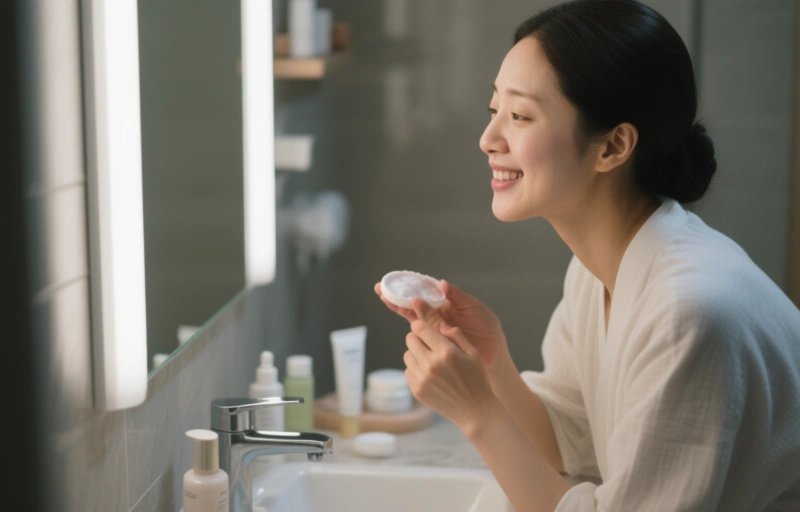
Korean skincare routines promise glowing skin in 10 steps, but they come with risks like irritation and high costs. Learn how professionals can guide clients toward safer, simpler routines that truly work.
Korean skincare routines have taken the beauty world by storm. The promise of a glowing, radiant complexion in just 10 steps sounds almost too good to be true. And for many, it works wonders. But as a face care professional, you know that every trend has its flip side. Let's break down what the Korean 10-step routine really offers and where you need to be cautious.
### The Allure of the 10-Step Routine
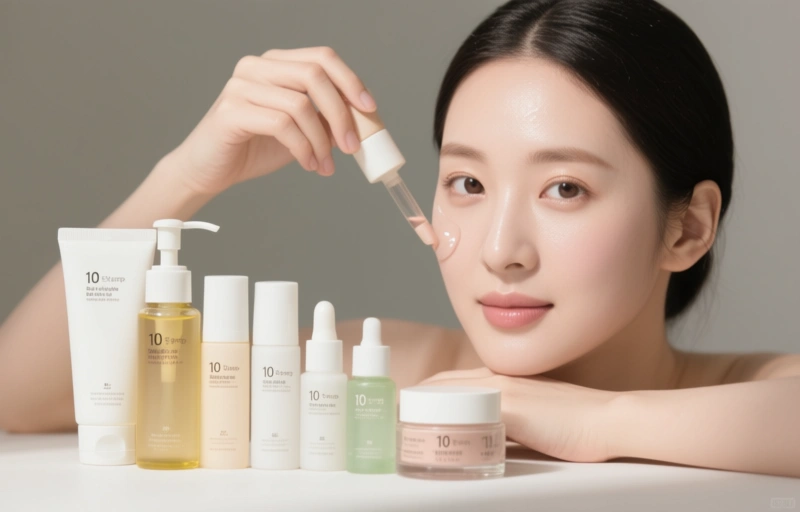
The idea is simple: layer multiple products to hydrate, brighten, and protect the skin. It starts with an oil-based cleanser to remove makeup and sunscreen, followed by a water-based cleanser. Then comes exfoliation, toner, essence, serums, sheet masks, eye cream, moisturizer, and finally sunscreen. Each step has a purpose, but it's a lot of product.
For many clients, this routine delivers real results. Their skin looks plumper, feels smoother, and has that coveted "glass skin" effect. But here's the catch: not every skin type can handle that many layers.
### The Hidden Risks
When you pile on product after product, you're increasing the risk of irritation. Ingredients that work great alone can clash when combined. For example, layering too many active ingredients like retinol, vitamin C, and AHAs can strip the skin barrier. This leads to redness, breakouts, and even chemical burns.
Another concern is the cost. A full 10-step routine with quality products can easily run you $200 to $500 per month. That's a significant investment for a client who might not need all those steps.
And let's not forget the time commitment. Spending 20 to 30 minutes every morning and night on skincare isn't realistic for everyone. Some clients might feel overwhelmed and give up entirely.
### What Professionals Should Know
As a face care professional, you can guide clients toward smarter routines. Here are some key points to share:
- **Simplify for sensitive skin**: Clients with rosacea, eczema, or acne-prone skin may need just 4 to 6 steps. Focus on gentle cleansing, hydration, and protection.
- **Patch test everything**: New products should always be tested on a small area first. This is especially important with Korean skincare, which often uses unfamiliar ingredients like snail mucin or bee venom.
- **Watch for over-exfoliation**: Exfoliating acids are popular in Korean routines, but using them daily can damage the skin. Stick to 2 to 3 times per week.
- **Check ingredient lists**: Some Korean products contain essential oils or fragrances that can irritate sensitive skin. Clients with allergies need to be extra careful.
- **Consider the climate**: A heavy moisturizer that works in dry, cold weather might cause breakouts in humid conditions. Adjust routines seasonally.
### A Balanced Approach
The best routine isn't the one with the most steps. It's the one that works for the individual. Encourage your clients to start with a basic 3-step routine (cleanse, moisturize, protect) and add products slowly. Monitor their skin's response every few weeks.
And remember, professional treatments like facials, chemical peels, or microneedling can complement a home routine. But always advise clients to pause their active skincare for a few days before and after these procedures.
### Final Thoughts
Korean skincare isn't a magic bullet. It's a system that can deliver beautiful results when used correctly. But it requires knowledge, patience, and a willingness to listen to your skin. As a professional, you're the guide who helps clients navigate the hype and find what truly works for them.
So, go ahead and recommend that oil cleanser or essence. Just make sure your clients understand the risks and keep their routines simple when needed. After all, healthy skin is always in style.