Korean Skincare: 10 Steps to Glowing Skin, But Watch Out for Risks
Henk Vermeer ·
Listen to this article~4 min
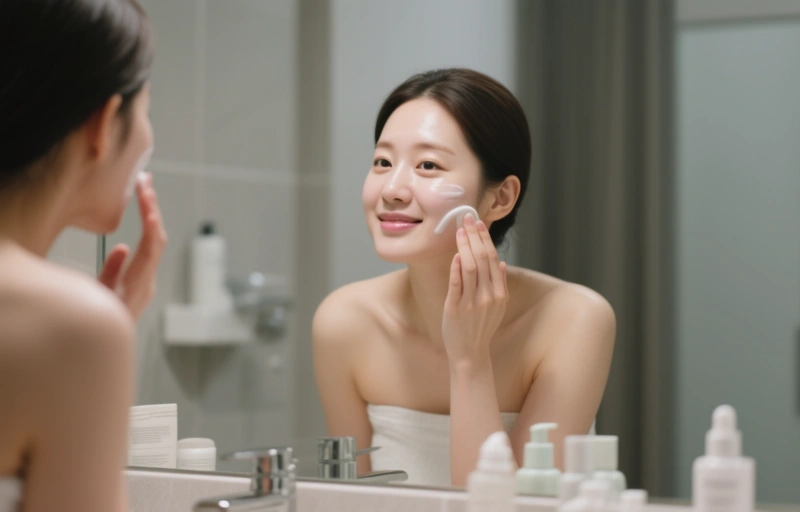
Korean skincare's 10-step routine promises glowing skin, but professionals must watch for risks like over-exfoliation and product incompatibility. Learn how to customize it safely for clients.
Korean skincare has taken the beauty world by storm, and for good reason. The famous 10-step routine promises a radiant, glass-like complexion that many of us dream about. But before you dive headfirst into a cabinet full of serums and essences, there's something important you need to know.
It's not all gentle morning dew and perfect skin. There are real risks involved, especially for professionals working with clients who have sensitive or reactive skin. Let's break down what works, what doesn't, and how to avoid the pitfalls.
### The Promise of the 10-Step Routine
The Korean skincare philosophy is built on layers. You start with an oil cleanser, then a water-based cleanser, followed by an exfoliator, toner, essence, serum, sheet mask, eye cream, moisturizer, and finally sunscreen. That's a lot of products, but the idea is that each step preps your skin for the next one.
For many people, this routine delivers incredible results. Hydration levels go through the roof, fine lines soften, and skin tone becomes more even. The key is consistency and using the right products for your skin type.
But here's the thing: more isn't always better. When you're layering that many ingredients, you're also layering potential irritants. For someone with a compromised skin barrier, this routine can backfire fast.
### The Hidden Risks You Need to Know
Let's talk about the downsides. Over-exfoliation is a big one. Many Korean products contain gentle acids like AHAs and BHAs, but when you combine them with physical exfoliants or retinol, you can strip your skin's natural protective layer. This leads to redness, stinging, and breakouts that look like acne but are actually irritation.
Another risk is product incompatibility. Not all ingredients play well together. For example, using vitamin C with niacinamide can cause flushing in some people. And if you're layering ten products, you might not even know which one is causing the problem.
> "The biggest mistake I see professionals make is thinking more products equals better results. In reality, it's about strategic layering, not just piling on." — Henk Vermeer, Technology Advisor
### Who Should Avoid the Full Routine?
Not everyone needs ten steps. In fact, most people don't. If your client has oily or acne-prone skin, too many hydrating layers can clog pores. If they have dry or mature skin, skipping certain steps like exfoliation might leave them with dullness.
Professionals should start with a skin assessment. Check for signs of sensitivity like redness, broken capillaries, or a history of eczema. For these clients, stick to a simplified routine: cleanser, moisturizer, and sunscreen. You can gradually add steps as their skin builds tolerance.
### Practical Tips for Professionals
Here's how to make the Korean skincare approach work without the risks:
- Start slow. Introduce one new product every two weeks. This way, if a reaction happens, you know exactly what caused it.
- Patch test everything. Apply a small amount behind the ear or on the inner arm for 24 hours before using it on the face.
- Watch for the "purging" vs. "breaking out" distinction. Purging happens in areas you usually break out and clears up within a few weeks. Breaking out happens in new areas and means the product isn't right.
- Use a gentle touch. Korean skincare emphasizes soothing ingredients like centella asiatica, green tea, and snail mucin. These are great for calming inflammation.
### The Bottom Line
Korean skincare can be a game-changer, but it's not a one-size-fits-all solution. As a professional, your job is to customize the routine to each client's unique needs. Start with a solid foundation, listen to their skin's feedback, and don't be afraid to simplify.
Remember, glowing skin isn't about the number of steps. It's about the right steps done consistently. When you get that balance right, your clients will see results that last.