Kids' Skincare Boom: The One Aging Process We Can Prevent
Henk Vermeer ·
Listen to this article~4 min
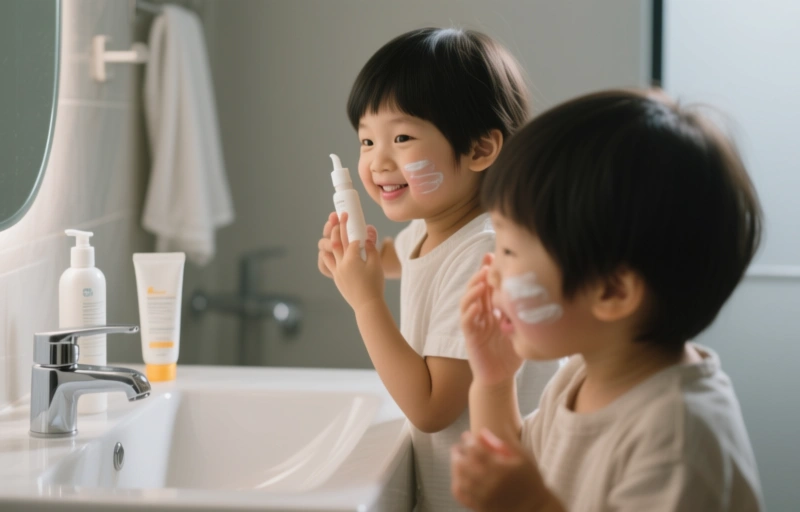
The rise of elaborate skincare routines among children has professionals concerned. While sun protection is crucial, many adult-targeted products can harm young skin. Learn the simple, safe approach for kids.
There's a new trend sweeping through playgrounds and middle schools, and it's not the latest video game or social media app. It's skincare. Kids as young as eight or nine are asking for serums, retinols, and elaborate multi-step routines. As face care professionals, we're seeing this firsthand. Parents are coming to us with questions, and honestly, it's got us thinking.
On one hand, it's great that kids are learning about sun protection and healthy habits early. On the other, some of these products are way too strong for young, developing skin. It's a conversation we need to have, and it starts with understanding what's really going on.
### The Rise of Miniature Routines
Walk into any drugstore or browse online, and you'll see skincare marketed to a younger audience. There are colorful cleansers, fruity toners, and moisturizers with cartoon characters on the label. The appeal is obvious. Social media, especially platforms like TikTok, has turned skincare into a form of self-care and even play for kids.
But here's the thing. A child's skin barrier is different. It's more delicate. Using products designed for adult concerns—like anti-aging or intense acne treatment—can do more harm than good. It can lead to irritation, sensitivity, and disrupt the skin's natural balance.
### The One Aging Process That Matters
In all this chatter about preventing wrinkles in pre-teens, we're missing the point. There's really only one type of aging we should be focused on preventing for kids: **photoaging**. That's the damage caused by the sun's UV rays.
This isn't about vanity for a 10-year-old. It's about health. Up to 90% of visible skin aging is caused by sun exposure. More critically, severe sunburns in childhood significantly increase the risk of skin cancer later in life. That's the prevention that matters.
- **Sunscreen is non-negotiable:** A broad-spectrum SPF 30 or higher, every single day, rain or shine.
- **Make it a habit:** Just like brushing teeth. A gentle, mineral-based sunscreen is often best for sensitive skin.
- **Protective clothing:** Hats, sunglasses, and seeking shade during peak hours (10 AM to 4 PM).
### What Should a Kid's Routine Actually Look Like?
It should be simple, safe, and sustainable. We're talking about building foundations, not fighting signs of aging that don't exist yet.
A basic routine for a child or young teen might include:
- A gentle, soap-free cleanser to wash away dirt and sweat.
- A light, fragrance-free moisturizer if their skin feels dry.
- A daily sunscreen.
That's it. No actives. No exfoliants. No ten-step routines. The goal is to support their skin's health without interfering with its natural functions. As one dermatologist I spoke with put it, "Sometimes the most advanced skincare is knowing when to do less."
### Our Role as Professionals
This is where we come in. Parents and kids are getting a flood of information, and not all of it is good. We have the chance to be a trusted source of clarity.
We can educate families about what products are appropriate and when. We can recommend gentle, pediatrician-tested brands. Most importantly, we can shift the focus from anti-aging fear to health-positive habits. Let's champion sunscreen and hats, not retinol and vitamin C serums, for this age group.
The bottom line? It's wonderful that kids are interested in taking care of themselves. Our job is to guide that interest toward what's truly beneficial—and protect their skin's future in the healthiest way possible.