Face Taping: TikTok's Botox Alternative - Does It Work?
Henk Vermeer ·
Listen to this article~5 min
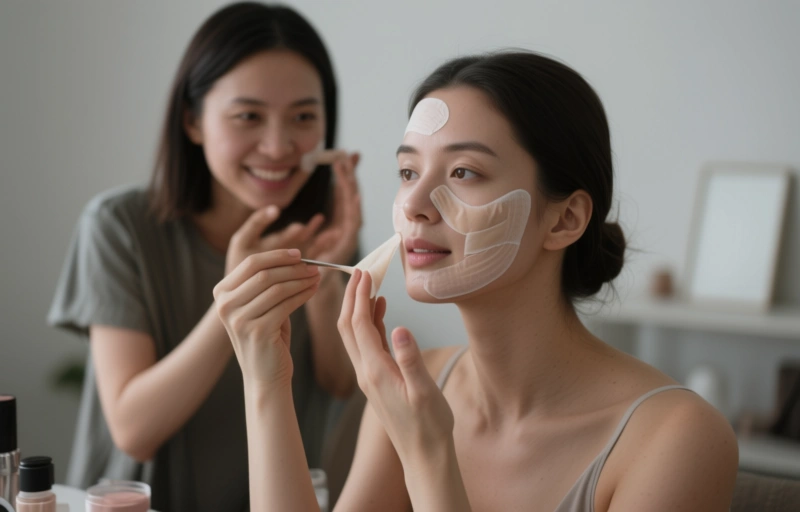
Face taping is trending on TikTok as a Botox alternative, but does it really work? We examine the science behind this viral trend and what face care professionals should know before recommending it to clients.
You've probably seen it on your feed - those viral TikTok videos showing people taping their faces overnight, promising smoother skin and fewer wrinkles by morning. It's being hailed as the new at-home alternative to Botox, and honestly, it's got everyone talking. But as a face care professional, you're probably wondering: does this actually work, or is it just another social media trend that'll fade faster than a summer tan?
Let's have a real conversation about face taping. I'm Wouter Meijer, and I've spent years working as a facial guide expert and cosmetic advisor. Today, I want to walk you through what face taping really is, how it's supposed to work, and whether it's something worth recommending to clients who are looking for non-invasive options.
### What Exactly Is Face Taping?
Face taping involves applying special tape (usually medical or kinesiology tape) to specific areas of the face before bed. The idea is that the tape gently pulls the skin taut, supposedly training facial muscles to relax and preventing you from making expressions that lead to wrinkles while you sleep. Think of it like a temporary, gentle facelift that you wear overnight. Proponents claim it can reduce the appearance of fine lines, especially around the forehead, between the eyebrows, and around the mouth.
Now, here's where it gets interesting. The concept isn't entirely new - taping has been used in physical therapy for decades to support muscles and joints. But applying it to facial aesthetics? That's where TikTok really ran with the idea. Videos show dramatic "before and after" results that look almost too good to be true.
### The Science Behind the Trend
Let's get real about what's happening when you tape your face. The tape creates a physical barrier that limits muscle movement. When you can't frown or squint as deeply, those muscles get a break from constantly contracting. Over time, the theory goes, this could potentially lead to fewer dynamic wrinkles - the ones that form from repeated facial expressions.
But here's what you need to know as a professional:
- The effects are temporary at best
- There's limited scientific research specifically on facial taping for wrinkles
- Any smoothing you see immediately after removing the tape is likely due to temporary skin stretching
- Results vary dramatically depending on skin type, tape quality, and application technique
### Professional Considerations for Face Care Experts
When clients ask you about face taping, here are some practical points to discuss:
- **Skin sensitivity matters**: Some tapes contain adhesives that can irritate sensitive skin or cause allergic reactions
- **Proper removal is crucial**: Pulling tape off too quickly can damage the skin barrier
- **It's not a replacement for proven treatments**: While it might offer temporary cosmetic benefits, it doesn't address underlying skin health like collagen production
- **Consistency is key**: Like any skincare routine, occasional use won't deliver noticeable results
One client told me recently, "I tried it for two weeks and saw minimal change, but it did make me more aware of my facial expressions during the day." That awareness factor might be the real benefit here - not the tape itself.
### How It Compares to Professional Treatments
Let's be clear: face taping is to Botox what a bandage is to surgery. They're in completely different leagues. Botox works by temporarily paralyzing muscles at the neuromuscular level, while taping just provides external resistance. The results, duration, and mechanisms are fundamentally different.
If clients are looking for alternatives to injectables, there are more evidence-based options to consider:
- Topical retinoids for collagen stimulation
- Professional-grade peptides in skincare
- LED light therapy devices
- Microcurrent facial toning
These have more scientific backing and predictable outcomes than overnight taping.
### The Bottom Line for Professionals
So, should you recommend face taping to your clients? Here's my take: it's probably harmless as a temporary cosmetic trick for special events, but it's not a substitute for professional treatments or a solid skincare routine. The viral nature of this trend means clients will ask about it, so being informed helps you provide balanced advice.
What I find most valuable about trends like this is that they get people thinking about facial care and prevention. That conversation starter can lead to more meaningful discussions about skin health, sun protection, and evidence-based treatments that actually work long-term.
Remember, our role as professionals isn't to dismiss every trend outright, but to help clients navigate the noise and make informed decisions about what's truly beneficial for their skin. Face taping might give someone a confidence boost for a day, but lasting skin health comes from consistent, science-backed care - and that's where our expertise really shines.