Face Taping: TikTok's Botox Alternative - Does It Really Work?
Henk Vermeer ·
Listen to this article~5 min
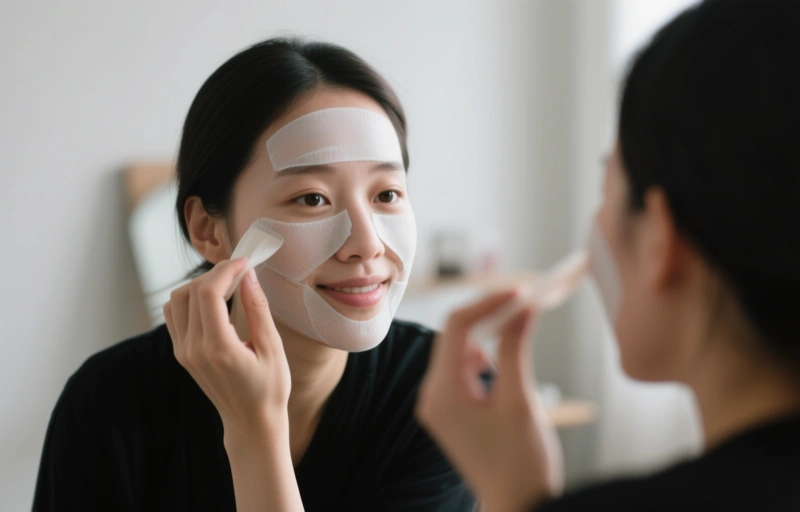
Face taping is trending on TikTok as a DIY Botox alternative. We examine whether this viral technique actually works or if it's just another social media skincare myth for professionals to understand.
You've probably seen it all over your feed - those viral TikTok videos showing people taping their faces overnight, promising smoother skin and fewer wrinkles by morning. It's being hailed as the new 'at-home Botox,' but as face care professionals, we know better than to believe every trend that goes viral. Let's have a real conversation about what face taping actually does, and whether it deserves a place in professional skincare recommendations.
### What Exactly Is Face Taping?
Face taping involves applying special tape (usually medical or kinesiology tape) to specific areas of the face before bed. The idea is that the tape gently pulls the skin taut, supposedly training facial muscles to relax and preventing sleep-related wrinkles from forming. Proponents claim it can reduce the appearance of existing lines and prevent new ones from developing. It sounds almost too simple, doesn't it?
Here's what you need to understand about the mechanics:
- The tape creates temporary tension on the skin's surface
- This may limit facial movement during sleep
- Some users report temporary smoothing effects upon removal
- There's no actual muscle retraining happening at a neurological level
### The Science Behind Skin Tension
Now, let's talk about what's actually happening beneath the tape. When you apply tension to the skin, you're creating a temporary physical barrier to movement. Think of it like putting a cast on a broken bone - it restricts motion, but doesn't teach the bone how to heal differently. The skin may appear smoother while the tape is on and immediately after removal, but this effect is purely temporary.
What many TikTok creators aren't mentioning is that skin has memory. It's elastic. Once you remove the tension, your skin returns to its natural state. There's no scientific evidence suggesting that overnight taping creates lasting changes to muscle patterns or collagen production. As one dermatologist I spoke with put it: "Taping might give you a temporary lift, but it's like holding your breath to appear thinner - the effect disappears as soon as you stop."
### Professional Considerations for Face Care Experts
As professionals, we need to approach trends like this with both curiosity and caution. While face taping is generally safe for most skin types (assuming no adhesive allergies), there are important considerations for your clients:
First, let's talk about expectations. Clients might come to you asking about face taping after seeing dramatic before-and-after videos. Your role is to provide balanced information - explaining that while they might see temporary improvement, this isn't a replacement for proven treatments like retinoids, professional peels, or actual neuromodulators.
Second, consider the practical aspects. Regular taping can potentially cause irritation, especially if clients are removing adhesive daily from delicate facial skin. There's also the risk of creating dependency - clients might feel they need to tape every night to maintain results, which isn't sustainable or necessary.
### Where Face Taping Might Fit In
I don't want to completely dismiss the trend. There might be some psychological benefit for clients who enjoy the ritual of self-care. The temporary smoothing effect could provide a confidence boost for special events. And let's be honest - sometimes clients just want to try something new, and as long as it's safe, there's no harm in exploring options together.
However, as professionals, we should position face taping as what it is: a temporary cosmetic trick, not a medical treatment. It's more comparable to using pore strips or temporary facial masks than to procedures that actually change skin structure or muscle function.
### The Bottom Line for Professionals
Here's what I tell my colleagues when they ask about incorporating trends like face taping into their practice:
Stay informed about what's trending, but anchor your recommendations in science. Be honest about limitations while acknowledging why clients might be drawn to these methods. Most importantly, use these conversations as opportunities to educate clients about what actually works for long-term skin health.
Remember, our value as professionals comes from our ability to separate hype from reality. While face taping might provide temporary cosmetic benefits, it doesn't replace professional treatments or a solid skincare routine. The real magic happens with consistent care, sun protection, and evidence-based interventions - not with tape and TikTok trends.