2025 Skincare Trends for Professionals: What's Next
Henk Vermeer ·
Listen to this article~4 min
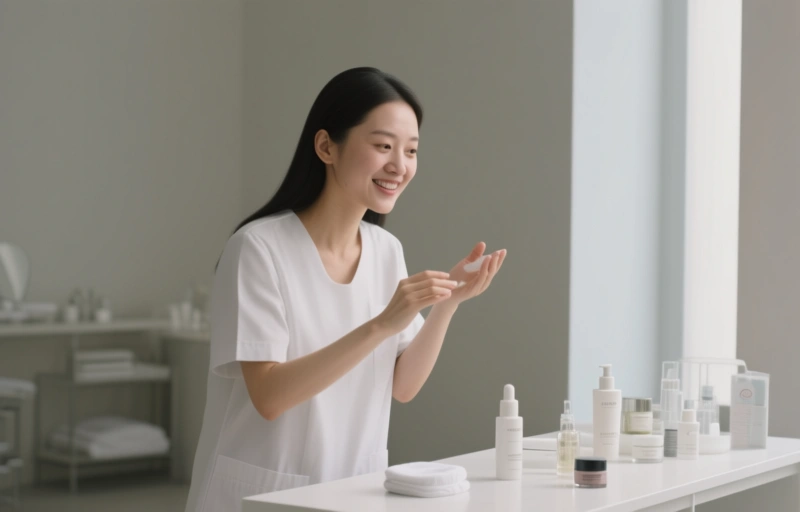
Explore the key skincare trends shaping 2025 for professionals. From barrier-first philosophies to microbiome care and tech integration, discover what's next in personalized treatment.
Hey there, fellow skincare professionals. Let's talk about what's coming down the pipeline for 2025. You know how this industry moves—it's never static. Clients are getting smarter, technology keeps advancing, and the trends we saw as whispers last year are becoming full conversations now.
I want to share what I'm seeing and hearing from colleagues, labs, and forward-thinking clients. This isn't about chasing fads. It's about understanding the shifts that will shape our consultations, our treatment plans, and the products we recommend. So grab your coffee, and let's dive in.
### The Rise of Skin Barrier-First Philosophy
Remember when everyone was obsessed with aggressive exfoliation and strong actives? We're seeing a major pendulum swing back toward protection and repair. The skin barrier isn't just a buzzword anymore; it's the foundation of every effective routine.
Clients are coming in with compromised barriers from overdoing it. Our role is shifting toward being educators first. We're teaching them that healthy skin starts with a resilient barrier. This means formulations rich in ceramides, cholesterol, and fatty acids are moving from niche to necessity.
### Personalized Microbiome Care Goes Mainstream
Probiotics for your face? It's not science fiction. The conversation around the skin microbiome has moved from theory to tangible product development. We're moving beyond prebiotics and postbiotics into truly targeted strains.
The future here is personalization. Imagine being able to recommend a probiotic serum based on a client's unique microbial profile. It sounds futuristic, but the groundwork is being laid now. This trend demands we stay updated on the science—it's complex, but it's where efficacy is headed.
### Tech-Enabled At-Home Diagnostics
Here's a shift that will change our client interactions. Affordable at-home diagnostic tools are becoming more accessible. We're talking about handheld devices that measure hydration, oil production, and even barrier function.
This is a double-edged sword. On one hand, it empowers clients with data. On the other, it requires us to become interpreters of that data. Our value won't be in providing the numbers, but in creating the actionable plan from them. It's an exciting challenge.
### Sustainability as a Non-Negotiable
This isn't a trend anymore; it's an expectation. Clients, especially younger demographics, are scrutinizing ingredient sourcing, packaging, and brand ethics. Greenwashing doesn't cut it.
They want real transparency. They're asking about upcycled ingredients, refill systems, and carbon-neutral commitments. Our product knowledge needs to extend beyond efficacy sheets to include environmental impact statements. It's becoming part of the trust equation.
### The Blurring Lines Between Treatment and Wellness
Skincare is no longer just about looking good. It's a core part of holistic wellness. We're seeing ingredients with adaptogenic properties and formulas designed to work in sync with circadian rhythms.
As one lab researcher told me recently, "We're not just treating skin cells; we're considering the whole person's stress load and sleep patterns." This means our consultations might start including questions about sleep quality and stress management. It's a more comprehensive approach.
Let's look at what this means for your practice:
- Your ingredient lexicon needs to expand to include microbiome-friendly compounds
- Treatment plans will increasingly blend in-office procedures with at-home tech
- Client education will focus on long-term barrier health over quick fixes
- Sustainability credentials will influence product selection as much as results
The through-line across all these trends? Personalization and prevention. We're moving away from one-size-fits-all solutions toward truly individualized care. And we're shifting focus from correcting damage to preventing it in the first place.
That requires us to be part aesthetician, part educator, part tech guide, and part wellness coach. It's a lot, I know. But it's also what makes this field so endlessly fascinating. The tools are changing, but our core mission remains the same: helping people feel confident in their skin.
What trends are you most excited about? Or which ones make you pause? The conversation is just getting started, and your experience on the front lines is what will shape how these trends actually land with real people in real treatment rooms.